
Patagonia is not only a major fashion brand within athleisure and winter apparel, it is also one of the top sustainable and ethically manufactured brands on the market. While many brands such as Nike and Zara have received public criticism for their continued use of sweatshops and unsustainable production, Patagonia has stayed true to its roots and continued to produce its apparel with integrity, ethics and sustainability. It does this by having a transparent system regarding its materials, and chemical uses within manufacturing. Patagonia also has been a leader in sustainable wages for its employees and promotes animal rights through its brand. Likewise, Patagonia continues to raise awareness on climate change and creates lofty goals for climate change that it actively strives to meet. Thus, making Patagonia one of the few brands that is admired by the public for its sustainability and, this public perception continues to garner support for the company by eco-friendly buyers looking for trendy clothing that is environmentally conscience.
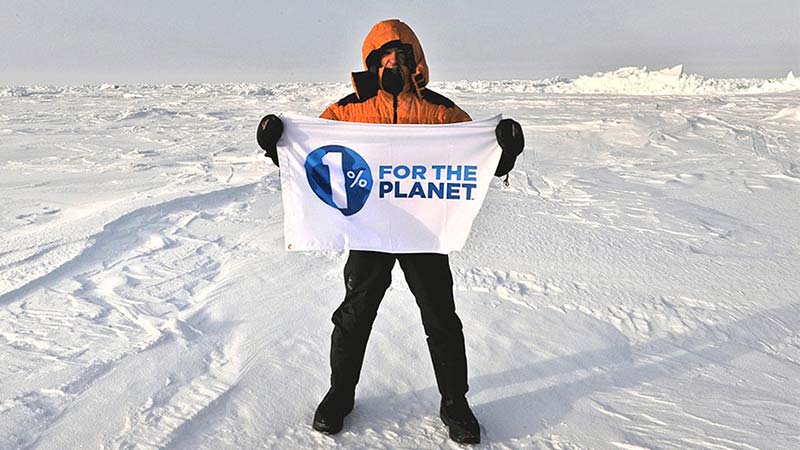
It has been said that athleisure is not the future of fashion but in fact, it is “the whole damn thing”. With hundreds of young companies popping up left and right in cities such as Los Angeles, San Diego, San Francisco and New York, it has become increasingly difficult for long standing companies such as lululemon and Patagonia to stay relevant and valued. That said, Patagonia, a company of nearly 50 years, continues to make its mark on the athleisure market by not only being one of the most stylish brands on the market but also by its sustainable and ethical production of its apparel. Founded in 1973 by a mountaineer, Patagonia’s mission statement states “At Patagonia, we appreciate that all life on earth is under threat of extinction. We aim to use the resources we have—our business, our investments, our voice and our imaginations—to do something about it.” Donating 1% of its total profits to environmental outreach along with sizable donations to other environmental organizations, Patagonia proves to be true to its word. However, that does not mean there isn’t room for improvement.
PETA has called out Patagonia for sourcing its wool from questionable partners, and in 2018 released a video which showed disturbing images from one of Patagonia’s wool farms in Utah. While this raised questions about Patagonia’s integrity regarding the sourcing of its materials, the company quickly recognized its fallbacks and adopted the “Responsible Wool Act” which strives to protect animal rights and ethical farming. Patagonia continues to march forward with its transparency releasing a majority of the sources for both its chemical and material production. Likewise, Patagonia was one of the first companies to begin sourcing its polyester through recycled materials which began in 1993 when Patagonia began recycling soda bottles for its apparel.
Nathaniel Dafydd Beard discusses eco fashion as well as the ethical and moral justices that come with it…
“In positioning themselves as “ethical,” however, fashion brands need to ensure their practices and procedures go beyond mere aesthetics in terms of marketing and branding. Instead, these practices need to be integrated and demonstrated to all involved in the firm, whether employees, suppliers, shareholders or customers, as Nicholas Ind asserts that: business can be a force for evil, but it can also be a force for good. Brands can enrich people’s lives or manipulate them. Employees can find fulfilment at work or entrapment. The task is to create a culture and system where the focus is more consistently focused and positive (Ind 2003). Particularly within the area of ethical fashion, it is the passion and dedication of the founder of the brand, or a number of individuals within a larger firm, who implement the principles and ethos of ecofashion. It is also up to these same individuals, however, to ensure that the message of ethical authenticity is carried out in a manner that is clear-headed and transparent. (Dafydd 458).
Reflecting exactly as such, Patagonia ensures the public about its authenticity through its “activist” link on its website. Patagonia goes out of its way to promote a cause, not just a façade and it is important for all businesses to strive for this marriage between business and activism.
While many large companies refuse to reserve space on their websites for anything other than shopping, the second tab on Patagonia’s website is “activism” in 2019 Patagonia donated to over 1000 activism groups broadening its outreach even further. This is why consumers continue to respect and praise Patagonia. While there are many small companies which are known for their devout environmentalism, apparel powerhouses such as Patagonia are not usually known for their attention to detail or their genuine effort to make the world a better place. Patagonia gives its consumers a small business feel, while still maintaining the production of a full-size company, showing that it is possible to be successful while also making a difference.
 my thoughts & some mumbo jumbo
3 replies on “Patagonia Cares”
What Patagonia is doing is really great. There currently aren’t many website that sell clothing that market themselves like Patagonia does. Them having an “activism” link on their website isn’t something most brands decide to put. While there are a few websites like reformation that show how people are helping the environment by purchasing their clothing, they still aren’t as involved with the environment as Patagonia seems to be. Now that sustainable fashion is becoming more important to people it is important that brands take notes from what Patagonia is doing.
LikeLike
Outdoor enthusiasts have used Patagonia for years. The quality of materials paired with their mission to use sustainable goods has undoubtedly launched a fashion revolution. Patagonia borders on designer wear, however. Many of their products are very expensive. Outdoor enthusiasts can wear their products as a fashion statement to certify that they are both outdoorsy and care about sustainability.
Now that they have grown so much, I would love to see them step back from profits even more and use their respected position in ways that are consistent with Yvon Chouinard’s original mission.
LikeLike
Patagonia has always been something that has always been on my radar. As my parents are in the fashion business, I have heard a lot about Patagonia’s ethical side and it is extremely admirable. Something that has really stood out to me is how much money they donate to a bunch of different conservation charities. They also have a repair system, where costumers go and take their damaged clothes to either get recycled, replaced or credit. I think that their customer service is great and I really look up to their brand image. I think this gives Patagonia a huge unique selling point and I have really enjoyed reading and learning more about the company and how it cares about the world.
LikeLike